

When the Dubai Dream Starts to Crack
The online narrative is clear: move to Dubai for zero taxes, endless sunshine, and ultimate freedom. This vision of the Middle East's premier global hub is incredibly attractive, promising speed, safety, and a chance to keep more of your money. But what looks like freedom can quietly become a cage. This isn't another article selling you the dream or a hit piece tearing it down. This is a strategic conversation about The Dubai Tax-Free Lifestyle: Reality vs. Hype Explained, designed to help you use this city as a tool, not a trap.
The Dubai Fantasy Everyone Is Selling

The image of Dubai you see on social media is a carefully crafted fantasy. It’s all about the luxurious lifestyle: yachts in the Dubai Marina, penthouse views, and supercars. This narrative is pushed by influencers and content creators who often benefit from selling this dream.
This constant promotion creates a powerful perception, especially for British expats and others looking for new opportunities. The allure of a golden visa and a life without income tax is strong, but it's essential to look past the sales pitch and understand the full picture. The following sections will explore what life is really like beyond the filtered photos.
Why “Dubai Freedom Lifestyle” Attracts People
For many people, the "Dubai freedom lifestyle" is less about luxury and more about financial leverage. When you compare the high tax rates in your home country to Dubai's zero-income-tax policy, the appeal is obvious. It presents a unique opportunity for aggressive saving and investment.
The abundance of job opportunities, particularly in sectors like finance, tech, and real estate, offers career growth that might be slower back home. For those skilled in these areas, moving to a new country of residence like the UAE can fast-track their professional and financial goals.
Ultimately, it comes down to strategic financial planning. Canadians are drawn to Dubai not just for the lifestyle but for the chance to build wealth in a low-tax environment, creating a financial cushion that would be much harder to achieve otherwise. Is it worth it? That depends on whether you can navigate the realities that come with the dream.
Social Media, Influencers, and the Short-Term Experience Trap

The day-to-day lifestyle in Dubai often differs from the highlight reel you see online. Influencers typically showcase a life of perpetual vacation, centered around hotspots like the Dubai Marina. However, this content is often based on short-term visits or sponsored experiences, which don't reflect the reality of long-term living.
This creates a trap where newcomers expect a life of constant excitement but instead find a routine that involves work, traffic, and managing bills, just like anywhere else. The curated images rarely show the cultural nuances you must adapt to. For instance, social interactions are governed by local customs.
Things to keep in mind include:
- Modest dress is expected in most public places.
- Public displays of affection are frowned upon and can lead to legal trouble.
- Respect for Islamic traditions is crucial, especially during Ramadan.
Failing to understand this can make the transition jarring and difficult, proving that the influencer fantasy is just one small, polished part of the story.
How Content Creators Shape the Dubai Zero Tax Myth

Content creators and influencers have been instrumental in building the myth around Dubai's zero tax status. They often present it as a simple equation: move to Dubai, pay no income tax, and achieve instant financial security. This message is powerful and easy to sell, but it oversimplifies a complex reality.
Is Dubai really tax-free? Not entirely. While there is no income tax, there are plenty of other costs to consider. These include a 5% Value Added Tax (VAT) on many goods and services, high import duties on certain items, and various government fees for everything from visa renewals to setting up a business.
These "hidden" costs are rarely mentioned in the glossy videos promoting a tax-free paradise. The narrative shaped by creators focuses on the single biggest benefit while ignoring the broader financial landscape. This can lead to a false sense of security for those who move without a complete financial plan.
Why Smart People Still Get Burned in Dubai

It's not just naive newcomers who struggle in Dubai; many smart, high-achieving individuals get burned. The city's relentless pace and high expectations can lead to a unique form of expat burnout. This isn't about a lack of success but about the psychological fatigue that comes with the constant pressure to perform and maintain a certain lifestyle.
Effective financial planning can't always protect you from the social isolation or the feeling of being on a treadmill. Before deciding on a long-term move, it's crucial to consider these less-tangible challenges that can wear down even the most resilient people.
High Performers and the Treadmill Trap
High performers are drawn to Dubai by the promise of lucrative job opportunities and a high basic salary. However, they often fall into the "treadmill trap," where rising monthly expenses consume their increased income, leaving them feeling like they are running in place.
The pressure to maintain a certain lifestyle is immense. This includes expensive housing, private school fees for those with a larger family size, and a social life centered around high-end dining and entertainment. What starts as a significant salary can quickly feel just adequate when measured against the cost of living.
This cycle creates a situation where you are constantly working to fund your lifestyle, with little room for error. The initial financial freedom you sought can quickly evaporate, replaced by the stress of keeping up. It's a key reason why many successful professionals find their Dubai experience more draining than rewarding.
Expat Burnout: The Unexpected Side Effect
One of the most significant yet least discussed cons of living in Dubai is expat burnout. This goes beyond simple work stress; it's a deep psychological fatigue stemming from the city's transient nature and relentless pace. Many expats arrive with high energy, but the constant hustle can erode their peace of mind.
The social scene can feel superficial, with friendships often lasting only as long as a work contract. This lack of deep-rooted community can lead to profound loneliness and isolation, even in a city crowded with people. You might find yourself surrounded by acquaintances but lacking a genuine support system.
This emotional drain is a primary driver for why many people choose not to stay long-term. The initial excitement fades, replaced by a longing for deeper connections and a more relaxed pace of life, which can be hard to find in Dubai's high-stakes environment.
Why Success Doesn’t Guarantee a Smooth Transition

Securing a great job and a residence visa in a global hub like Dubai feels like the finish line, but it’s really just the start. Financial success doesn't automatically buy you a smooth transition or happiness. Many expats discover that a high salary can't solve the fundamental challenges of adapting to a new culture.
Why might someone choose to leave despite the benefits? Often, it's because they feel like a perpetual guest. The system is designed for a transient workforce, making it difficult to put down roots. Your legal status is tied to your employment, which can create underlying instability.
Ultimately, deciding if Dubai is a good idea for you depends on what you value. If you prioritize permanence, deep community ties, and a path to citizenship, you may find that even a successful career in Dubai doesn't fulfill your long-term needs.
Zero Tax in Dubai (With Strings Attached)
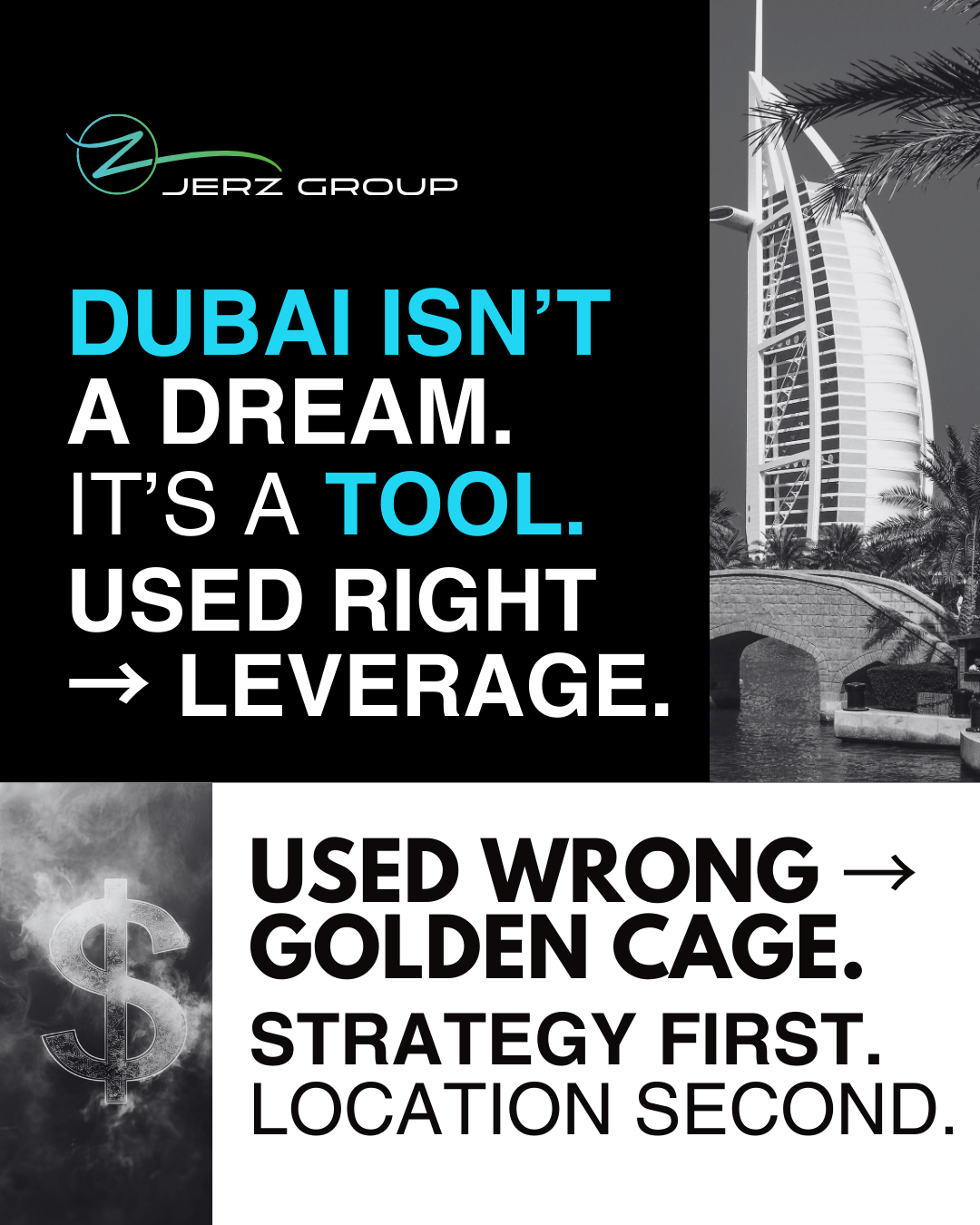
The allure of zero tax on personal income is arguably Dubai's biggest selling point. However, this benefit comes with significant strings attached. It's not as simple as moving and stopping payments to your home country. You are a resident, not a citizen, and your residence visa is temporary.
Understanding the nuances is critical. The "tax-free" label can be misleading without proper tax advice, as there are other costs, compliance rules, and banking regulations to navigate. Let's break down what this status actually means for you and your finances.
Understanding Dubai Residency and Taxes vs. Citizenship
A key distinction to understand is that a residence visa in Dubai does not lead to citizenship. Even with a long-term golden visa, you remain a temporary resident of the country. Your right to live in your new country of residence is conditional, typically tied to your employment or investment.
To benefit from the tax-free status, you generally need to establish tax residency in the UAE, which often involves spending a specific number of days in the country (90 or 183 days) and severing tax ties with your home country. This requires careful planning and often professional advice. The required years of residency for a long-term visa don't change your fundamental status as a guest.
Compliance, Paperwork, and Banking Scrutiny
The days of Dubai being a "wild west" for finance are long gone. The reality of setting up your life involves a significant amount of paperwork and compliance. The application process for your visa and Emirates ID is just the beginning.
Opening a bank account, for example, is no longer a simple transaction. You can expect increased banking scrutiny as the UAE aligns with global anti-money laundering (AML) and financial transparency standards. Banks will ask for detailed information about your source of funds and business activities.
Before deciding on long-term living, consider the bureaucratic hurdles:
- You'll need a No-Objection Certificate (NOC) from your employer for many transactions.
- Attesting documents like degrees and marriage certificates is a mandatory and often costly process.
- Renewing visas and IDs requires repeating medical tests and paperwork.
This layer of administration is a constant part of life in Dubai and can be a source of frustration for many expats.
What Actually Qualifies as Tax-Free Income?
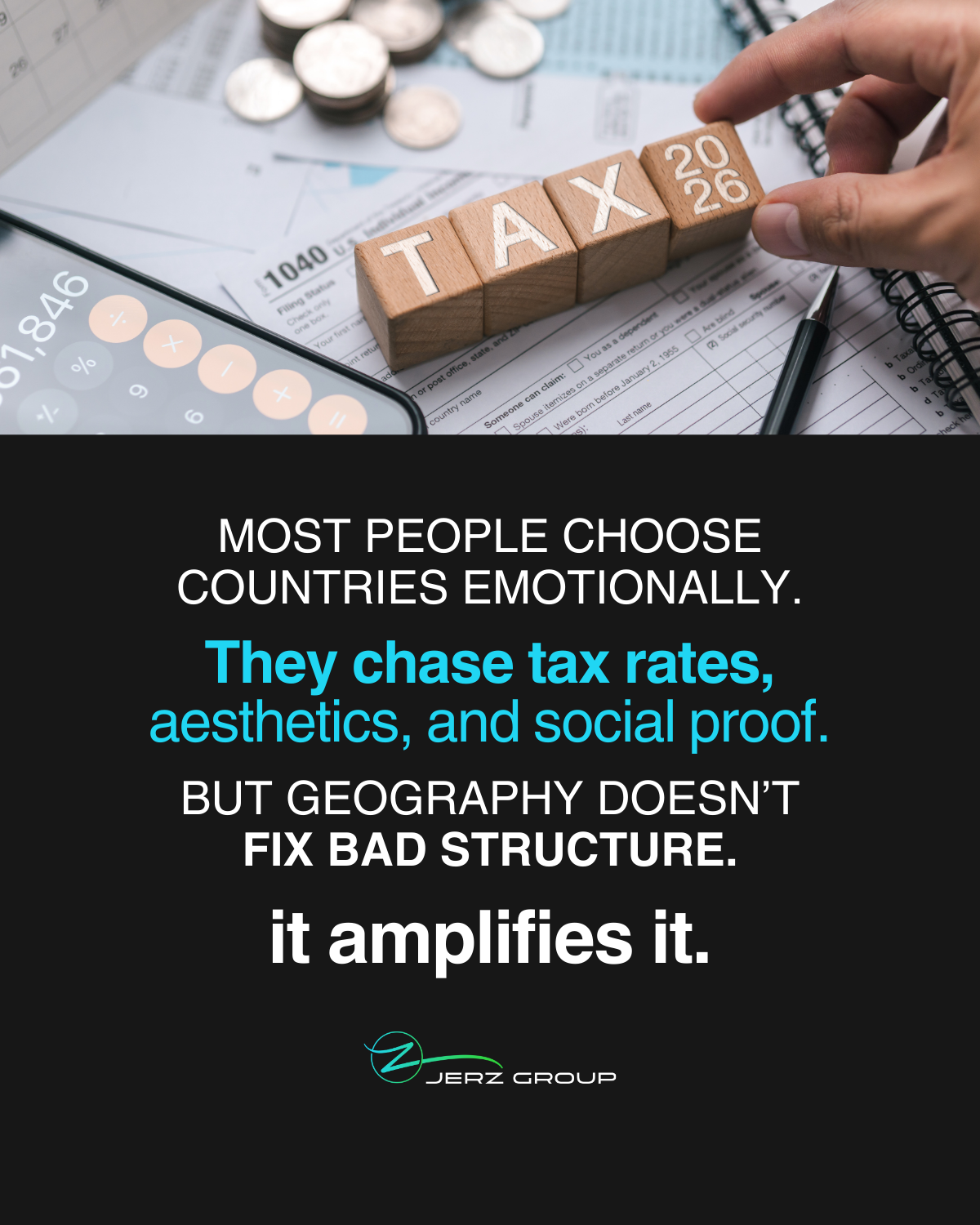
The term tax-free income in Dubai refers specifically to the absence of personal income tax. This is a huge benefit, but it's crucial to understand the specific conditions and what isn't covered. Your salary from a UAE-based employer is tax-free, but that's where the simplicity ends.
If you have income from other countries, you may still be liable for taxes there unless you have formally established tax residency in the UAE and your home country's laws recognize it. Furthermore, Dubai has other taxes and fees that affect your overall financial security. This includes a 9% corporate tax on business profits (above a certain threshold) and a 5% VAT on most goods and services.
So, while you keep 100% of your salary, your expenses are higher due to VAT, and setting up a business now involves tax considerations. The "zero tax" lifestyle is a powerful advantage, but it’s not an exemption from all forms of taxation.
Safety, Speed, and Why Hustlers Love It
Despite the challenges, there are compelling reasons why entrepreneurs and ambitious professionals thrive in Dubai. The city's world-class infrastructure and incredible execution speed create an environment where things get done quickly. For anyone frustrated by red tape in their home country, this is a major draw.
The sense of safety and peace of mind is unparalleled, making it an attractive global hub for both singles and families. Life is convenient, efficient, and predictable in a way that allows you to focus on your goals. The following sections detail why this low-friction environment is so appealing.
Infrastructure and Ease of Daily Life
One of the most praised aspects of day-to-day life in Dubai is the sheer convenience. The city’s infrastructure is designed for efficiency, making daily routines remarkably smooth. The Dubai Metro and wider public transport network are clean, affordable, and connect most major residential and commercial areas.
Beyond transport, almost any service you can imagine is available at the tap of a button. From grocery delivery to at-home cleaning services, you can outsource many of life's mundane tasks, freeing up your time to focus on work or leisure.
For many, this ease of living is a game-changer:
- Roads are well-maintained, and traffic flow is managed efficiently (outside of peak hours).
- Digital government services reduce the need for in-person visits for many official tasks.
- Residential buildings often include gyms, pools, and other amenities, simplifying your lifestyle.
This level of convenience makes the idea of living in Dubai a very good idea for those who value efficiency and a low-friction lifestyle.
Execution Speed Compared to Europe
For anyone used to the bureaucratic pace of Europe, Dubai's execution speed is astonishing. Whether you are dealing with the government sector or the private sector, processes that would take weeks or months elsewhere are often completed in days or even hours.
Setting up a business, for instance, can be done with remarkable speed. The same goes for obtaining licenses, processing visas, or even getting utilities connected. The city operates with a top-down, results-oriented mindset that prioritizes efficiency above all else.
While the public transportation system is a great example of this efficiency, the mindset extends everywhere. This "get it done" culture is a massive advantage for entrepreneurs and professionals who want to build and scale quickly without being bogged down by red tape. This speed is a key factor when considering if a move to Dubai is worth it.
Low Friction for Global Earners and Entrepreneurs
Dubai has intentionally positioned itself as a global hub with low friction for entrepreneurs and remote earners. The system is designed to make it as easy as possible for global talent to plug in and start operating. Free zones offer 100% foreign ownership, zero corporate taxes for many businesses, and simplified import-export policies.
The process of obtaining a residence visa through business ownership or freelancing is streamlined, allowing you to establish a legal and financial base quickly. This provides a level of financial security and stability that allows you to focus on growing your business rather than navigating complex regulations.
For a global earner, this environment is ideal. You can manage international clients from a central, well-connected time zone with world-class connectivity. The entire ecosystem is built to support business, making it a powerful tool for those looking to operate on an international scale.
The Cost of Living in a Perfect System
While Dubai's system is efficient, it comes at a price. The cost of living is one of the biggest challenges for expats, especially families. Your monthly expenses can quickly escalate, and careful financial planning is essential to avoid falling into debt.
This high cost is a major factor to consider, as it can offset the benefits of a tax-free salary. For families, expenses like school fees and larger housing can be particularly daunting. Below, we'll examine the specific costs that contribute to this high-pressure financial environment.
Real Rental Costs and Lifestyle Inflation for Expats

Housing is typically the largest portion of an expat's monthly expenses in Dubai. The rental costs for desirable housing options in popular areas like Dubai Marina and Jumeirah Lake Towers (JLT) are high and have been rising steadily.
Many newcomers fall victim to lifestyle inflation, opting for a larger or more luxurious apartment than they need, simply because it's part of the expected Dubai lifestyle. This decision can have a massive impact on your ability to save. Often, landlords require rent to be paid in one to four checks for the year, meaning you need a large amount of cash upfront.
Social Pressure, Hidden Costs, and Everyday Spending
Beyond rent, the social pressure to spend in Dubai is intense. Your daily life can quickly become a cycle of expensive brunches, shopping sprees, and high-end activities. This environment makes lifestyle inflation almost unavoidable if you're not disciplined.
There are also numerous hidden costs that can catch you off guard. These aren't always obvious when you're budgeting from abroad but add up significantly over time.
Consider these common hidden expenses:
- Cooling Charges (AC): Often a separate, high bill, especially in the summer months.
- DEWA (Water & Electricity): Requires a security deposit and can be expensive.
- Annual Service Fees: If you own property, these can be thousands of dirhams per year.
This constant financial drain is a major factor to consider for long-term living, as it can create stress even with a high income.
Comparing Dubai Lifestyle vs. Europe and Canada

When comparing the Dubai lifestyle to that in Europe or Canada, it's a tale of two different expense structures. While you save on income tax, other costs can be significantly higher. For families, the most staggering difference is school fees. Private international schools are the norm for expats, and tuition can range from AED 12,000 to over AED 100,000 per child, per year.
Housing in prime areas like Downtown Dubai can also be more expensive than in many major European or Canadian cities. While things like gasoline and taxis are cheaper, these savings often don't compensate for the big-ticket items.
In Europe and Canada, you may have higher taxes, but public education and healthcare can drastically reduce your household expenses. In Dubai, you are paying for these services out-of-pocket, which requires a completely different approach to financial planning.
Heat, Money, and the Hidden Burnout Cycle
One of the biggest cons of moving to Dubai is the hidden burnout cycle fueled by heat and money. The extreme climate for a significant part of the time of year forces life indoors, into a world of air-conditioned malls and restaurants. This creates a spend-heavy lifestyle that can lead to financial pressure.
This combination of being cooped up and constantly spending can cause significant psychological fatigue. It's a subtle but powerful force that contributes to many expats feeling drained and isolated, eventually leading them to leave. Let's explore how this cycle works.
Climate and Its Impact on Day-to-Day Living

You can't talk about day-to-day life in Dubai without addressing the heat. For at least five to six months of the year, the climate is oppressively hot and humid, making outdoor activities unbearable for more than a few minutes.
This has a profound impact on your lifestyle. Your world shrinks to air-conditioned spaces: your apartment, your car, your office, and the mall. Even using public transport involves walking to and from stations in the sweltering heat. Weekend getaways often mean driving to another Emirate like Ras Al Khaimah just for a change of scenery, but still remaining largely indoors.
The consequences of this climate are significant:
- Limited Outdoor Activity: Spontaneous walks, park visits, or outdoor sports are off-limits for half the year.
- Social Life Moves Indoors: Socializing revolves around indoor, often commercial, venues like restaurants and cinemas.
- Increased Costs: Air conditioning runs 24/7, leading to high electricity bills.
This indoor existence can feel restrictive and is a common complaint among long-term residents.
Indoor Living, Psychological Fatigue, and Why Many Leave
The forced indoor living during Dubai's long summer contributes directly to psychological fatigue. A life lived between manufactured, air-conditioned environments can create a sense of detachment from the real world. You miss the simple pleasures of nature, fresh air, and a walkable city.
This feeling of being "stuck inside" can erode your peace of mind. It can lead to feelings of restlessness, boredom, and even depression. The lack of natural, spontaneous social environments, like a neighborhood park or a town square, makes it harder to build genuine connections.
This is a key reason why many expats quietly pack their bags after a few years. They leave not because of a professional or financial failure, but because they crave a lifestyle that offers more than just comfort and convenience. They seek a connection to community and nature that Dubai's climate and urban design can make difficult to find.
Recognizing the Signs of Dubai Expat Burnout
Expat burnout in Dubai is a real phenomenon, but its signs can be subtle. It's more than just feeling tired; it's a state of chronic psychological fatigue where the initial excitement of living abroad has been replaced by a sense of emptiness and stress.
Losing your peace of mind is a major indicator. You might have the salary and the lifestyle you dreamed of, but you feel constantly on edge, financially strained, or socially isolated. The pressure to keep up appearances while feeling disconnected can take a heavy toll.
Here are a few signs to watch for:
- Social Withdrawal: You start declining invitations and prefer to stay home, not out of tiredness, but out of a lack of enthusiasm.
- Financial Anxiety: Despite a high income, you constantly worry about money due to the high cost of living and lifestyle pressures.
- Cynicism and Frustration: You find yourself becoming increasingly critical of Dubai life, focusing only on the negatives.
Recognizing these signs early is the first step toward addressing the burnout before it forces you to leave.
Final Take: Using Dubai as a Tool, Not a Destination
Understanding the complexities of living in Dubai is essential for anyone considering this path. While the allure of a tax-free lifestyle and high-speed living is tempting, it’s crucial to recognize the underlying realities that come with it. Dubai can be a powerful tool for financial freedom, but it’s not without its challenges, including compliance issues and the potential for burnout. By approaching your move with a strategic mindset and acknowledging both the advantages and drawbacks, you can make informed decisions that align with your long-term goals. If you're ready to explore whether Dubai is right for you, reach out for a free consultation to gain personalized insights and advice tailored to your situation.
Follow Jerz
02
Action Plan & Document Collection
We create a tailored action plan aligned with your chosen service(s). This stage includes gathering required documents and handling essential tasks such as translations, apostilles, and genealogical research.


